%3Aformat(webp)%2Fgal%2Fhighlight%2Frabida.jpg&w=1920&q=75)
A walk on Rabida Island
Another birdwatcher's paradise!
Information about A walk on Rabida Island
Biodiversity
Panorama
Beaches
Snorkeling
Accesibility
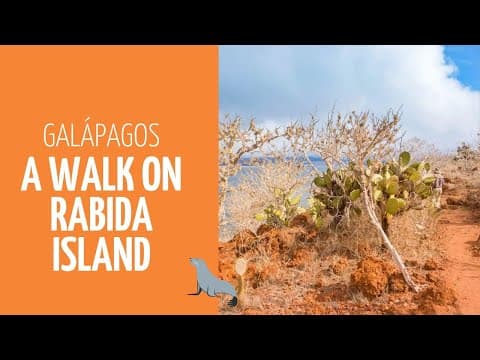
Rabida is a small, steeply-sloped island with red-sand shores, and was originally called Jervis. Despite its small size, Rabida has one of the highest concentrations of volcanic features in the Galápagos, and it's thanks to the iron-rich lava deposits that its sands and soils are so red.
After a wet landing on the northern coast you will often see Galápagos Sea Lions and marine iguanas around the beach, especially near the sheltered caves in hot weather. Just behind the beach is a nesting site for brown pelicans, who use the saltbush as cover. Rabida is one of the best spots in the archipelago to observe pelicans. Sometimes flamingos can also be seen in the lagoon here.
There is a short hiking trail that leads further inland through Opuntias where there are good opportunities to see land birds like Darwin's finches, Galápagos Doves and Galápagos Mockingbirds.
After your trip inland you can then have a relaxing swim and enjoy some snorkeling, which is very good in the clear waters off the beach. While you swim, you'll be able to see Blue-Footed Boobies taking off over your head from their cliff-top roosts.
Interesting facts about A walk on Rabida Island
Brown pelicans nesting
Wonderful range of bird life
Excellent snorkeling
Pictures of A walk on Rabida Island
%3Aformat(webp)%2Fgal%2Fhighlight%2Frabida.jpg&w=1920&q=75)
+21
%3Aformat(webp)%2Fhighlight%2F790a2e96-9eba-4bef-8d0d-506e164518c6-2019-11-06-day-6-seaman-journey-rabida-and-chinese-hat-359-of-497-.jpg&w=1920&q=75)
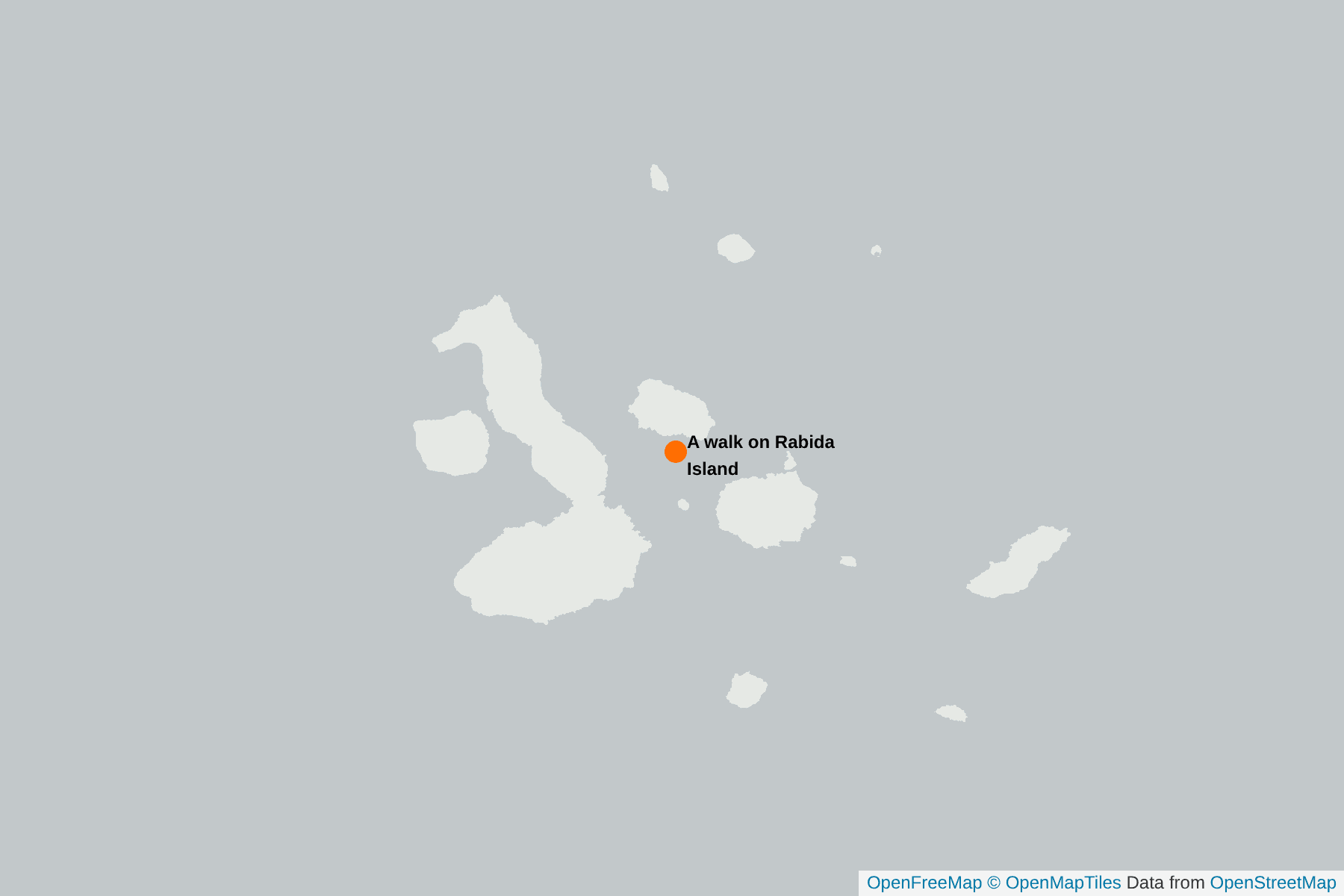
Where is A walk on Rabida Island
Possible Activities in A walk on Rabida Island

Hiking
Zodiac rides

Snorkeling
%3Aformat(webp)%2Fgal%2Fanimal%2Fgalapagos-finches-3.jpg&w=1920&q=75)
%3Aformat(webp)%2Fgal%2Fanimal%2Fsea-lion-2.jpg&w=1920&q=75)
%3Aformat(webp)%2Fgal%2Fanimal%2F20170225_Day_5_Fernandina_Punta_Espinosa_Isabela_Urbina_Bay_280_of_473.jpg&w=1920&q=75)
%3Aformat(webp)%2Fgal%2Fanimal%2F20170222_Day_2_Genovesa_Darwin_Bay_Prince_Phillips_Steps_85_of_473.jpg&w=1920&q=75)
%3Aformat(webp)%2Fgal%2Fanimal%2FDove_227_of_240_.jpg&w=1920&q=75)
%3Aformat(webp)%2Fgal%2Fanimal%2FLava_Heron_50_of_240_.jpg&w=1920&q=75)
%3Aformat(webp)%2Fgal%2Fanimal%2FPetrel_30_of_240__1.jpg&w=1920&q=75)
%3Aformat(webp)%2F81940802-faec-488d-8840-a911b88ed081-logo_galapagos-white.png&w=1920&q=75)
%3Aformat(webp)%2Fgal%2Fanimal%2Fblue-footed-boobie.jpg&w=1920&q=75)
%3Aformat(webp)%2Fgal%2Fanimal%2Fspotted-eagle-ray_1.jpg&w=1920&q=75)
%3Aformat(webp)%2Fgal%2Fanimal%2FSky_76_of_82_.jpg&w=1920&q=75)
%3Aformat(webp)%2Fgal%2Fanimal%2Ffrigate-bird-2.jpg&w=1920&q=75)