%3Aformat(webp)%2Fprovider%2Febd0edc9-f766-4fbf-987f-3c17e7f466cd-panoramic-4---hermes-galapagos-mega-catamaran.jpg&w=1920&q=75)
Western to Southern Galapagos
12 Days Galapagos cruise on board the Hermes
Best Price Guarantee
Best Price Guarantee
Length
12 Days
Ship category
Luxury
Ship type
Motor Catamaran
Capacity
20 Passengers
%3Aformat(webp)%2Fprovider%2Fde9262d2-fa5f-49f7-bd8c-14c9a12760ac-panoramic-3---hermes-galapagos-mega-catamaran.jpg&w=1920&q=75)
%3Aformat(webp)%2Fprovider%2Fe3a781f9-ffca-4693-ac72-4bf9d9c5732f-sun-deck-2---hermes-galapagos-mega-catamaran.jpg&w=1920&q=75)
%3Aformat(webp)%2Fprovider%2F65403f57-4349-4090-bd6b-484939eac6f3-panoramic---hermes-galapagos-mega-catamaran.jpg&w=1920&q=75)
Hermes is a luxury mega-catamaran for travellers who want Galapagos exploration with exceptional space, privacy and personalised service. The experience is designed for 20 guests, with two naturalist guides (10 guests per guide) and a crew of 20 serving those guests. Two butlers, one Cruise Director and attentive service throughout the voyage make the ship feel genuinely individual rather than simply large.
The suites are the heart of Hermes: each has a private balcony, walk-in closet, minibar, floor-to-ceiling windows and a jacuzzi with ocean views. Guests can unwind with complimentary signa … Read more about Hermes
%3Aformat(webp)%2Fprovider%2F15a634aa-e270-48db-8024-52e4142a6178-balcony-5---hermes-galapagos-mega-catamaran.jpg&w=1920&q=75)
%3Aformat(webp)%2Ffedaa424-3b3f-43b7-bbc1-612707269da7-single-suite-2---hermes-galapagos-mega-catamaran.jpg&w=1920&q=75)

Transfers to and from ship

Private Balcony

Snorkel gear (free of charge)
Travel for good: Each booking supports Ventura's Conservation Project.

Kayaks on board

All meals

Laundry service

Spa

Air conditioning & private bathroom

Standup paddle boards

Water, Coffee, Tea & fresh juices

Wetsuits

Library

English guides
%3Aformat(webp)%2Ff29aeba5-2f84-4682-a68d-9207ce0a7172-refund-hand-icon.png&w=64&q=75)
100$ Galapagos NP Entrance Fee included

Internet/Wifi

Butler Service

Alcoholic Beverages included

Sundeck with jacuzzi
-15% for children ≤ 11
Dining aboard Hermes combines Ecuadorian and international cuisine in signature menus prepared by a renowned Ecuadorian chef. Guests can choose between the indoor Paradiso restaurant and the al fresco Sole e Luna setting, with local dishes and polished service complementing the day's island exploration. Complimentary signature beverages are part of the suite-first experience.
From
Until
Info
Availability
Price
15
Nov
2026
• 12 days
From
USD 21,595
15
Nov
2026
26
Nov
2026
Almost full
USD 21,595
7
Feb
2027
• 12 days
From
USD 23,495
7
Feb
2027
18
Feb
2027
USD 23,495
13
Jun
2027
• 12 days
From
USD 23,495
13
Jun
2027
24
Jun
2027
USD 23,495
27
Jun
2027
• 12 days
From
USD 23,495
27
Jun
2027
8
Jul
2027
USD 23,495
11
Jul
2027
• 12 days
From
USD 23,495
11
Jul
2027
22
Jul
2027
USD 23,495
17
Oct
2027
• 12 days
From
USD 23,495
17
Oct
2027
28
Oct
2027
USD 23,495
31
Oct
2027
• 12 days
From
USD 23,495
31
Oct
2027
11
Nov
2027
USD 23,495
28
Nov
2027
• 12 days
From
USD 23,495
28
Nov
2027
9
Dec
2027
USD 23,495
9
Jan
2028
• 12 days
From
USD 26,350
9
Jan
2028
20
Jan
2028
USD 26,350
23
Jan
2028
• 12 days
From
USD 26,350
23
Jan
2028
3
Feb
2028
USD 26,350
Preferred date unavailable?
When booking online, you can choose the option to "Upgrade to single occupancy". This will guarantee you the whole cabin to yourself, for an additional fee. If you don't select this option, then another traveler of the same sex might be placed into the same cabin with you.
Your trip helps protect 36 hectares of rainforest in Ecuador through Forest Guardians
This itinerary combines Hermes routes A, B and C as one 12-day, 11-night voyage. On the two shared turnaround days, Hermes calls at port for a few hours while one group disembarks and another joins, before the voyage continues.
The route is designed for a maximum of 20 guests and is led by two naturalist guides.
Visitor-site order and activities remain subject to National Park operations and sea conditions.
After completing your booking, you will receive an invoice from your travel specialist by email. A deposit of 20% of the trip price is required to secure your booking. Payment can be made through bank transfer or by credit card through a secure payment link.
Full payment is expected 30 days before the trip. Payment can be made in installments.
This trip generates 3.5999999999999996 t CO₂e. Galapatours regularly measures and monitors the carbon footprint of its journeys and actively reduces emissions through sustainable travel design: no unnecessary flights, fewer feeder flights, integration of rail and public transport, and promoting longer stays for a more balanced relationship between travel distance and impact.
From 2018 to 2024, we supported carbon reduction projects equivalent to the emissions generated. Recognizing the limits of traditional offsetting, we now focus on active environmental protection through our own rainforest project, Forest Guardians.
More information on our climate and environmental responsibility: https://www.venturatravel.org/impact
Under Ecuadorian law, if you are only temporarily visiting the Galápagos then you are exempted from the requirement to pay any customs charges on items that you are bringing in to the country. This includes new or used portable electronics such as cameras, laptops, music players, etc.
You MUST NOT bring any agricultural or plant materials or any unprocessed food products to the islands. To avoid problems at customs and bag check we suggest only traveling to Galápagos with pre-wrapped snack products such as chocolate bars, etc. Food is plentiful and freshly cooked on your Galapatours cruise, with a wide range of choice on offer to suit all tastes - you really don't need to bring anything with you!
As the Galapagos Islands are part of Ecuador, and all flights to the Galapagos depart from mainland Ecuador, you will need to enter Ecuador first.
Entering Ecuador: Every traveler is responsible for checking the individual visa requirements for their nationality. We recommend using https://www.passportindex.org/ to find out if you need a visa for Ecuador. At the time of writing, U.S. citizens do not need to apply for a visa beforehand. Similarly, visitors from the UK, Germany, and most other European countries do not require a visa for the Galapagos Islands. Upon entering the country, you will be given a visa stamp that permits you to stay in Ecuador for up to 90 days. This also applies to many other countries, but please verify the current visa regulations yourself before booking any tickets. In any case, your passport must be valid for at least six more months from the date of entry into Ecuador. You will also need to show proof of onward or return travel out of Ecuador to customs and immigration officials upon arrival; this can be a return or onward airline ticket. If you do not meet these requirements, you may not be allowed to enter the country.
Entering Galapagos: To enter Galápagos, the first official requirement is a valid Ecuadorian tourist visa stamp in your passport - this should have been issued to you upon arrival to mainland Ecuador.
This is a multi-layered question, that we have tried to answer in various articles. Please click on the corresponding links to learn more about the different topics. To recap:
The Galápagos National Park Entrance fee is levied on all visitors to the islands. For foreign visitors, the entry fee is 200 USD per person (100 USD for children under 12 years old). If you are a citizen of a country in South America you might pay less, check here for more information.
Important: This fee must be paid, in cash, at the airport of arrival. Payment by card is possible, but a surcharge will apply. If you do not pay, you will not be allowed to leave the terminal - so please make sure you have the means to pay the Galápagos entrance fee! Therefore, the payment of this entrance fee is indispensable to take part in a Galapagos cruise.
The entrance fees collected will be allocated to various local entities to support sustainability and community development in the Galápagos Islands. The proceeds are split between several important institutions as follows:
For more information about the entrance fee structure and the distribution of funds, please visit the official website of the Galápagos National Park Administration.
%3Aformat(webp)%2Ffaq%2F5df51b34-2561-4dbb-918d-707d0fc13212-unnamed.png&w=1920&q=75)
Price
From
USD 21,595
No dates selected
From
Fernandina and Isabela: lava, penguins and panga rides
Pinnacle Rock, Rábida’s red shore and Santiago’s wild coast
South Plaza and Santa Fe: sea lions, cacti and land iguanas
Española’s waved albatross cliffs and Gardner Bay
Best Price Guarantee: Find a better price elsewhere, and we’ll match it.
Galapagos Expedition Specialists: We focus exclusively on Galapagos expeditions, with advice rooted in real, firsthand expertise.
Travel that gives back: Every booking directly funds our mission to protect and restore global rainforests.
This 12-day Hermes itinerary begins where the Galápagos feel most elemental: Isabela and Fernandina. Walk beside marine iguanas, take a panga through the west coast’s sheltered coves, and keep watch for Galápagos penguins and flightless cormorants at the waterline.
The voyage then travels through the central islands, from pirate-haunted Santiago and North Seymour to Rábida’s red beach, Bartolomé’s Pinnacle Rock and the cactus landscapes of South Plaza and Santa Fe. In the south, snorkel around San Cristóbal, relax near Galápagos sea lions, and walk the cliffs of Española, where waved albatrosses are among the defining wildlife encounters.
With no more than 20 guests and two naturalist guides, Hermes gives this broad route a more considered rhythm: real time ashore, space for questions, then a private-balcony suite to return to between islands.
%3Aformat(webp)%2Ffebaaf06-7768-4601-844a-4bd71e00eb0c-vsocial.png&w=1920&q=75)
Every travel booking supports local communities through a donation to our V Social Foundation.
Your itinerary below may vary, depending on the weather, wildlife breeding, and local conditions.
%3Aformat(webp)%2Fhighlight%2F551bcd63-e7ce-4e5e-9e4c-c3496b792da7-2018-08-09-day-1-nemo-1-baltra-airport-santa-cruz-puerto-ayora-charles-darwin-research-station-78-of-489-.jpg&w=1920&q=75)
Welcome to Galápagos! After your flight lands, and you have completed the immigration process, our English-speaking guide will meet you in the Arrivals lounge if you booked your flight tickets with us for the same cruise dates. The guide will then escort you to your transfer vehicle for a short journey to your waiting ship.
If you did not book your flight tickets with us, your voucher will specify the meeting point & time. Please note that the transfer to the meeting point is not included.
Baltra Island, where your arrival airport is, was used as an important Air Force base in the Second World War. This is the primary airport for the Galápagos Islands and you'll be rubbing shoulders with fellow tourists, international naturalists and conservationists, researchers and academics, and Galápagos residents alike. The airport has been built as a "green" airport, and as well as using recycled materials in its construction, it's special design keeps the buildings relatively cool without the need for any air conditioning.
Once on board your ship, you will be introduced to the crew and given a welcome briefing as well as an important safety drill. After this you'll be shown to your cabin. While you're served a well-deserved and delicious lunch, the captain will cast off and your adventure truly starts.
Note: If you plan to spend a few days prior to the cruise in Puerto Ayora and want to do the cruise later this is no problem at all. The transfer from Puerto Ayora to Baltra is very easy.
%3Aformat(webp)%2Fgal%2Fhighlight%2Fbachas-beach.jpg&w=1920&q=75)
The name "Bachas Beach" (or "Las Bachas" in Spanish) actually comes from a mispronunciation! After the second world war, American forces stationed on Santa Cruz abandoned some of their barges there - "bachas" was the nearest some of the locals could get to pronouncing the English word, and the name has stuck. You can still see the remains of one of the floating docks the soldiers set up on one of the two beaches that make up Las Bachas Beach.
This beach is covered in white coral sand, and it's a major nesting site for Galápagos green turtles. There's also a lagoon just behind the sand which often hosts flamingos, ducks and migratory birds. You can also often find marine iguanas feeding on the rocky outcrops near the tide line.
The main beach is perfect for swimming, being very sheltered from the ocean swells, and is a very pleasant spot to cool off and to indulge in some snorkeling.
%3Aformat(webp)%2Fgal%2Fhighlight%2Ftagus-cove.jpg&w=1920&q=75)
Tagus Cove is a sheltered deep-water bay on the western coast of Isabela Island, overlooking Fernandina Island. This natural anchorage has been a popular destination for ships since the 1800s, and when you come ashore you can see ancient graffiti left by whalers and buccaneers.
A steep (but thankfully short) hiking trail then takes you up to the salt water Darwin Lake, formed inside a volcanic cone. How did salt water get all the way up here? Scientists think tsunamis caused by eruptions or landslides on Fernandina may have deposited seawater originally, and then evaporation has made it even more salty over time.
From Darwin Lake, a series of 160 steps takes you to a stunning viewpoint where you will not only enjoy amazing views over the Galápagos, but may also see some unique wildlife, such as Galápagos Hawks, Vermilion Flycatchers, and species of Darwin's Finches.
Your panga ride along the shoreline back to your ship gives a great opportunity to see Galápagos Flightless Cormorants, Galápagos Penguins, Galápagos Martins, and the friendly Galápagos Sea Lions.
%3Aformat(webp)%2Fgal%2Fhighlight%2F20170225_Day_5_Fernandina_Punta_Espinosa_Isabela_Urbina_Bay_356_of_473.jpg&w=1920&q=75)
Urbina Bay is one of the youngest features in the Galápagos. It was mainly formed in 1954, when a sudden uplift of the land raised the seabed by over 5 metres, and pushed the coastline over 1 km further away. This has resulted in the astonishing site of heads of coral stranded far from the water. Exposed to the air and elements, the coral heads are rapidly deteriorating and are one of the sights of the Galápagos that won't be around for much longer.
Once ashore, a long hiking trail will take you away from the beach and into the island's arid zone. In this habitat, you are likely to see wild Galápagos Giant Tortoises and Galápagos Land Iguanas. As the trail circles back towards the shore line you'll come across colonies of the unique Galápagos Flightless Cormorant.
This is a pleasant area for snorkeling, and as you enter and leave the water you might do so watched by some Galápagos Penguins, who have a colony nearby. This is also one of the best sites to see Galápagos Marine Iguanas feeding underwater.
%3Aformat(webp)%2Fgal%2Fhighlight%2F20170225_Day_5_SAMBA_Fernandina_Punta_Espinosa_Isabela_Urbina_Bay_294_of_473.jpg&w=1920&q=75)
Fernandina Island has never been colonised by any non-native species, and this makes it ones of the world's most pristine island ecosystems. Coupled with its young age (Fernandina was only formed a few hundred thousand years ago) this makes a visit to this Galápagos island very special indeed.
At Espinosa Point on the northeastern shore of Fernandina the vista is dominated by "La Cumbre", the volcano whose lava fields formed the island. A visit to Espinosa Point is high on many people's list thanks to the number of iconic unique Galápagos species you will see here. As well as the noisy and fun-loving Galápagos Sea Lions, Espinosa Point is a great place to see Marine Iguanas, the wonderful Galápagos Penguins and the unique and endangered Galápagos Flightless Cormorant. If you are very lucky and keep your eyes skyward you may also catch sight of a Galápagos Hawk circling overhead looking for its next meal.
%3Aformat(webp)%2Fgal%2Fhighlight%2F20170224_Day_4_Isabela_Punta_Albemarle_Punta_Vicente_Roca_253_of_473.jpg&w=1920&q=75)
Galapatours clients regularly rate Vicente Rock Point as one of the best snorkeling and SCUBA diving sites in Galápagos, or perhaps even in the world! There is no landing here, and snorkeling is done directly from the boats. The scenery around the Point is stunning - the remains of two ancient volcanoes made this formation, and the cliffs and caves around the bay provide an amazing backdrop.
The bay is well sheltered from ocean swells, making it ideal for snorkelers of any experience. The cold-water currents bring a rich stock of food to these waters, and the bay around Vicente Rock Point is often home to feeding frenzies, with groups of whales, dolphins, Galápagos Sea Lions, tuna, Blue-footed Boobies and other marine birds all feeding together, making for spectacular sights.
Many boats also take visitors on a panga ride along the shore, offering the chance to explore some of the caves and to encounter some of the other species such as Galápagos Flightless Cormorants and a small colony of Galápagos Fur Seals.
%3Aformat(webp)%2Fgal%2Fhighlight%2Fegas-port.jpg&w=1920&q=75)
Puerto Egas (Port Egas) is a sheltered landing site at the southern end of James Bay on the northwestern coast of Santiago. This landing site is the trailhead for two hiking paths.
The first trail runs along the coast to visit the so-called "Fur Seal Grottos". The Galápagos Fur Seals like to seek shade from the equatorial sun, and they prefer rocky shores with caves or other nooks and crannies in which they can keep cool. The grottos here are perfect for them, and the tidal pools are also popular with Galápagos Marine Iguanas who can be seen feeding in and around them.
The second trail from Egas Port heads inland to the "Salt Mine Volcano". This hike is just under 2 miles long and takes you to the rim of a salt mine crater. This "mine" is actually a small volcanic cone that is filled with a salt water lagoon that dries up in the dry season. At several points in the 20th century individuals or companies attempted to mine salt from it, but without commercial success. The name of your landing site is after the owner of the last company to try salt mining here, Hector Egas.
The lagoon is often home to Galápagos flamingos and other birds, and the wonderful Galápagos Hawk can often be seen circling above this area.
%3Aformat(webp)%2Fhighlight%2F57fc0cb5-10e2-481d-897a-ec53ac1b7216-2018-08-12-day-4-nemo1-santiago-egas-port-espumilla-bay-bucaneer-cove-435-of-489-bucaneer-cove-.jpg&w=1920&q=75)
Sited on the northwest coast of Santiago Island, Buccaneer Cove wasn't named as a romantic fancy, but because it actually was used extensively by pirates, privateers, buccaneers and whalers to set anchor and head ashore.
Of all the Galápagos Islands, Santiago was most frequently used as a stop over as it provided easy access to fresh water, wood, and meat. Used since the 1600s as a staging point, the easy-to-catch Giant Tortoises that lived here became a useful source of protein for the sailors. There was a more strenuous journey required up to the highlands in search of water, but the sheltered cove made this a better location than some of the more open coast elsewhere.
Today the steep cliffs above the cove are filled with nesting seabirds, wheeling in the air above the deep red sands of the beach. This is a good site for snorkeling or to stroll along the beach drinking in the sights and sounds of the Galápagos, and you will often find yourself sharing the sand and rocks with sea lions or Galápagos Fur Seals.
%3Aformat(webp)%2Fgal%2Fhighlight%2Fseymour-1.jpg&w=1920&q=75)
The island is named after an English nobleman, Lord Hugh Seymour and has an area of 1.9 square kilometers and a maximum altitude of 28 meters. This island is home to a large population of blue-footed boobies and swallow-tailed gulls and hosts one of the largest populations of frigatebirds. North Seymour has a visitor trail approximately 1.2 mi in length crossing the inland of the island and exploring the rocky coast.
North Seymour was formed at the same time as neighboring Baltra Island, and by the same process - an uplifting of undersea lava. This small, flat island has hiking trails throughout, allowing you to explore the arid landscape and to meet the seabirds that call North Seymour home.
North Seymour was the site of one of the earliest conservation experiments in the Galápagos. In 1934 a group of Galápagos Land Iguanas were moved there by Captain Hanckock. They have since thrived, and there are now well over 2,500 of them on the island and more than 3,000 on the neighbouring Baltra island.
The biggest attraction of North Seymour is its large colony of Blue-Footed Boobies and its Frigatebirds. These popular Galápagos species are often found together because the Frigatebirds rely on the Boobies’ fishing prowess. The Frigatebirds actively steal the Boobies catch to feed themselves!
There is also a population of Marine Iguanas and Galápagos Sea Lions are frequently spotted. The snorkeling here is also very good, with plenty of marine life to see including rays and reef sharks.
%3Aformat(webp)%2Fgal%2Fhighlight%2F_MG_8273_Ecuador_Galapagos.jpg&w=1920&q=75)
Santa Cruz is the only island on the Galápagos that allows you to travel through every habitat type that exists in the archipelago. This makes the journey north from the coast up into the highlands a fantastic opportunity to experience the breadth of life that exists on these islands.
Your bus journey starts from Puerto Ayora on the coast and you slowly start to climb through the agricultural zone where open fields begin to give way to lush, green, mist-covered forests. This is a marked contrast to many of the islands which are at much lower elevation and much more arid. This rich verdant landscape is predominantly made up of dense Scalesia forest.
Your expert Galapatours guide will stop several times along the route to allow you to explore various different sites. Among the stops will be a Giant Tortoise reserve, and also a visit to the famous lava tubes. Over half a mile long, a walk through these natural volcanic features is eerie and unforgettable.
Also along the way you will stop for refreshments, and you'll be able to try locally-grown Galápagos coffee - we think it's among the best we've ever tasted!
%3Aformat(webp)%2Fgal%2Fhighlight%2Frabida.jpg&w=1920&q=75)
Rabida is a small, steeply-sloped island with red-sand shores, and was originally called Jervis. Despite its small size, Rabida has one of the highest concentrations of volcanic features in the Galápagos, and it's thanks to the iron-rich lava deposits that its sands and soils are so red.
After a wet landing on the northern coast you will often see Galápagos Sea Lions and marine iguanas around the beach, especially near the sheltered caves in hot weather. Just behind the beach is a nesting site for brown pelicans, who use the saltbush as cover. Rabida is one of the best spots in the archipelago to observe pelicans. Sometimes flamingos can also be seen in the lagoon here.
There is a short hiking trail that leads further inland through Opuntias where there are good opportunities to see land birds like Darwin's finches, Galápagos Doves and Galápagos Mockingbirds.
After your trip inland you can then have a relaxing swim and enjoy some snorkeling, which is very good in the clear waters off the beach. While you swim, you'll be able to see Blue-Footed Boobies taking off over your head from their cliff-top roosts.
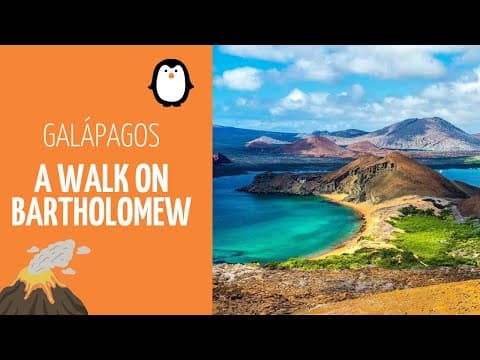
Bartholomew (known as Bartolomé locally) is the most popular excursion for Galápagos visitors, and its iconic scenery is the most photographed in the whole archipelago.
To start your walk on this island you will land in the small bay opposite the famous Pinnacle Rock. You then start the climb to the 375ft peak of Bartholomew. You’ll travel along a half mile trail that includes a series of wooden steps that have been built by the National Park Service to protect the ground here from erosion caused by tourists hiking to the summit.
When you arrive at the top of island the spectacular views will have made your efforts worthwhile. Your Galapatours expert guide will point out all the landmarks you will see from here - Pinnacle Rock itself, jutting skywards. The huge black lava flows of Sullivan Bay. The islands of Daphne Major and Daphne Minor.
On the way back down, you will be able to recognise the different volcanic formations evident on the island, such as tuff cones and volcanic spatter. You'll also see some remarkable examples of the Galápagos' ability to highlight the adaptation of species. For example the bushes that all look dead are actually very much alive, with leaves covered with special grey hairs that help to reflect the harsh sun and reduce moisture loss for the plants.
Back at the beach there is excellent snorkeling, thanks to the underwater caves and rocks in the area. You will see various sharks, rays and tropical fish. You may also see Galápagos Penguins swimming with you!
%3Aformat(webp)%2Fgal%2Fhighlight%2F20170302_Day_1_PINTA_South_Plaza_13_of_206.jpg&w=1920&q=75)
Whilst her twin, North Plaza, is closed to visitors, South Plaza is one of the best visitor sites in the Galápagos thanks to the large number of species present on her small area.
The Plazas were formed as the result of a geological uplift, and because this was uneven they both have cliffs on their south sides and low lying shores on their northern coasts.
The most noticeable (and noisiest) of South Plaza's residents are her Galápagos Sea Lions, who have a large colony here. Less obvious are her land iguanas (the smallest in the islands), many marine iguanas and large numbers and varieties of seabirds.
Inland is a mix of scrubby vegetation and giant opuntia cactus forest, providing food for the iguanas. As you follow the circular hiking trail you will come to the summit of the cliffs here where you'll be among countless nesting seabirds.
%3Aformat(webp)%2Fhighlight%2Ff31de79a-106f-4576-8c15-d26dd0d5b09b-20170303_santa_fe_81.jpg&w=1920&q=75)
Santa Fe is a small, flat island right in the center of the Galápagos archipelago, and is thought to be one of the oldest volcanoes here. Dating of the rocks below the water estimates they were formed almost 4 million years ago.
Santa Fe had its own breed of Giant Tortoise that became extinct at some point in the 1800s due to being hunted for meat. There are two species that are unique to the island still present here - the Santa Fe Land Iguana, and the Santa Fe Rice Rat.
There is one visitor site on Santa Fe, and you will have a panga ride to a wet landing on the beach at Barrington Bay on the island's north coast. From here there are two hiking trails. One is a short loop close to the beach that takes you into an Opuntia forest filled with these massive cactus. This is the best opportunity to see the Santa Fe land iguanas and also other species such as Galápagos Hawks.
The second trail is a tougher proposition as it climbs quite steeply to the top of a cliff from where you will enjoy stunning views over the island's unspoilt interior.
Back on the beach you can join the Galápagos Sea Lions who often play in the waves and you can enjoy some wonderful snorkeling in the clear blue-green waters here.
%3Aformat(webp)%2Fgal%2Fhighlight%2F20170304_Day_3_PINTA_San_Cristobal_Cerro_Brujo_Punto_Pitt_67_of_206.jpg&w=1920&q=75)
Pitt Point, or Punta Pitt, is at the far eastern edge of San Cristobal. Following a wet landing directly onto the beach you'll be welcomed by the friendly and noisy barking of the local colony of Galápagos Sea Lions! This is actually a bachelor colony of males who haven't held a breeding territory, and they can sometimes be the worse for wear if they have been fighting on one of the breeding beaches elsewhere.
After the noise of the beach, a quieter path takes us up the cliffs to a breeding site used by all 3 resident species of booby - the Blue-Footed, Red-Footed and Nazca Boobies. Nowhere else in the Galápagos do all three species nest side-by-side like this.
As well as this unique booby colony you can also see Galápagos Frigatebirds and petrels. In addition to the wonderful bird life, the view down to the beach and across the island from this high vantage point make the climb worth it.
The hiking trail lets you get a close look at the Saltbush and other tough shrubs that manage to survive in this sometimes eerie volcanic landscape. Your Galapatours guide will be able to explain in detail how hardy plants such as these colonise the lava fields all over the Galápagos.
%3Aformat(webp)%2Fgal%2Fhighlight%2F20170304_Day_3_PINTA_San_Cristobal_Cerro_Brujo_Punto_Pitt_100_of_206.jpg&w=1920&q=75)
The brilliant white coral sand beach at Witch Hill ("Brujo Hill") is, in our opinion, one of the very best in the Galápagos. The hill itself is the remains of a volcanic "tuff cone" - one made up of compacted volcanic ash and debris. This was one of the first sites where Charles Darwin made landfall on his famous journey here on HMS Beagle.
This is a wonderful place to see many Galápagos species, both in the sea and on the land and in the air. Among the creatures you are likely to see on a visit to Brujo Hill are Galápagos Sea Lions, marine iguanas, pelicans, and Galápagos Blue-Footed Boobies. It's possible to walk right along the beach at a leisurely pace, taking in everything around you.
We really recommend you snorkel here, and if you do you'll be rewarded with likely sightings of Galápagos rays, green sea turtles, sponge coral and a wide range of beautiful fish. If you aren't a swimmer, then a panga ride will still let you see plenty of wildlife thanks to the crystal clear waters off this stunning beach.
%3Aformat(webp)%2Fgal%2Fhighlight%2Flobos-island.jpg&w=1920&q=75)
Lobos Island is named after the colony of Galápagos Sea Lions that live here, but they aren't the only native Galápagos species that calls this narrow island home. You can see Galápagos Fur Seals basking here, and there is a nesting colony of Blue-Footed Boobies that come to Lobos each year to raise their chicks.
There are one or two short hiking trails that lead into the center of the island, and this is always a peaceful place to visit. Galapatours visitors tell us it's one of their favorite visitor sites to just sit and soak up the Galápagos atmosphere.
Back on the beach, the swimming and snorkeling is wonderful, and thanks to the island's position close to the main shore of San Cristobal, the channel between them is sheltered and the turquoise water is crystal clear. This is a Galapatours favorite spot, so speak to one of our Galápagos specialists if you want help choosing an itinerary that includes a visit to this special place.
%3Aformat(webp)%2Fgal%2Fhighlight%2Ftijeretas-hill.jpg&w=1920&q=75)
Translated, this is "Frigatebird Hill", and it's well named! This is a place where both endemic species of frigatebird, the Great Frigatebird and the Magnificent Frigatebird, share a colony.
The hill itself offers a wonderful view of Wreck Bay to the south and to Kicker Rock to the west, but it also provides the perfect opportunity for your Galapatours guide to tell you more about the two species of frigatebird to be found in Galápagos, and how you can tell them apart. There's also a range of native plant species here.
The beach at the bottom of the hill is a nice place to relax, and the waters here are safe for swimming and snorkeling - perfect for cooling off after your climb!
%3Aformat(webp)%2Fgal%2Fhighlight%2Fgardner-bay-espanola.jpg&w=1920&q=75)
Gardner Bay is a wonderfully sheltered area on the eastern shore of Espanola Island. It boasts one of the best beaches in the Galápagos, with superb white sand. There is nowhere better on the archipelago to simply sit back, relax, and take in the marvels of the wildlife around you.
The beach here is home to a large colony of Galápagos Sea Lions, who seem to love sunbathing on the beach as much as we humans do! As well as the fun-loving Sea Lions you can also find Galápagos Mockingbirds here. These birds are full of curiosity, and have been known to come and investigate bootlaces, camera straps and other equipment!
The wonderful Galápagos Green Sea Turtle can also often be seen in the shallows here, and along with a large variety of colorful reef fish, this makes Gardner Bay a great place to swim and snorkel.
%3Aformat(webp)%2Fgal%2Fhighlight%2F20170305_Day_4_PINTA_Espanola_153_of_206.jpg&w=1920&q=75)
Suarez Point is on the western tip of Espanola and is one of the most wildlife-packed of all the visitor sites in the Galápagos. After a wet landing on a beach that's frequented by Galápagos Sea Lions you can enjoy a 2 mile hike along a trail that will take you up around the cliffs.
The range of wildlife on show here is simply stunning. This is a great place to view the remarkable Galápagos Blue-Footed Booby as well as their cousins the Nazca Booby. You can also see the rare Waved Albatross at Suarez Point, where they use the cliff tops to launch themselves into the air over the ocean.
Another famous natural feature here is the blowhole. This geological formation funnels the incoming waves into a chamber where it gets compressed and then the air and seawater are forced out at great speed, making a spectacular plume of water shoot high into the air.
%3Aformat(webp)%2Fgal%2Fhighlight%2Fcormorant-point.jpg&w=1920&q=75)
Cormorant Point is on the northern tip of Floreana, and you'll land on a beach that sits between two volcanic cones. The sand on one of the beaches here has a noticeably olive-green color. This is due to a much higher than usual concentration of olivine crystals in the sand. Another beach is made up mainly of coral sand and is almost a brilliant white in comparison.
This Galápagos site has a large lagoon which is favored by flamingos, their pink coloring contrasting with the green sand. There is some good snorkeling here, and you can often spot rays in the shallows. There is a one mile hike available that takes you to higher ground and provides great views over the lagoon, and to both beaches on either side of the Point.
%3Aformat(webp)%2Fgal%2Fhighlight%2Fpostoffice-bay.jpg&w=1920&q=75)
Floreana, like several of the Galápagos Islands, has a history of whaling. During voyages of many months, whaling ships would call here to replenish stocks of food and water, and the sailors were often keen to send news to loved ones that they were still safe. A tradition grew up here where sailors would leave a letter addressed home, hopeful that a ship heading back to port would pick it up and deliver it for them. This tradition of leaving letters and cards, and picking up others addressed to your home port meant that the location of this letter drop became known as "Post Office Bay".
Decades later, the unofficial Floreana post office is still very active - why not leave a card of your own, or see if you could take one back to your home town for someone else?! As well as this charming tradition, Post Office Bay boasts a pleasant beach, and there is a short hiking trail down to a cave, which is actually a lava tube that runs down to the sea.
You will also have the opportunity to take a Panga through some of the nearby coves and mangroves from which you could see sharks, rays, and sea lions swimming around you.
%3Aformat(webp)%2Ftravel_report_photo%2F81519%2F45f7719c-501d-420a-9f7b-4270468d7013-b5d27bd6-2e23-43ff-95b5-9d4f5c4d731b.jpg&w=1920&q=75)
The Charles Darwin Research Station, operated by the Charles Darwin Foundation, is a biological research center located in Puerto Ayora on Santa Cruz Island in the Galápagos Islands. Established in 1964, the station is dedicated to research and conservation projects focused on protecting the Galápagos' unique terrestrial and marine ecosystems.
Visitors to the station can learn about its vital conservation efforts and view giant tortoises up close. Among its most notable residents was Lonesome George, the last known Pinta tortoise who became a symbol of conservation before his passing in 2012 at over 100 years old. Today, his preserved remains are on display, serving as a reminder of the importance of protecting endangered species.
%3Aformat(webp)%2Fgal%2Fhighlight%2F20170227_Day_8_SAMBA_Floreana_Asilo_de_la_Paz_Cerro_Alieri_Devil_s_Crown_468_of_473.jpg&w=1920&q=75)
Your Galápagos adventure ends with the arrival of your ship back at Baltra Island. After what many guests describe as an emotional goodbye to your ship and its crew, you'll board the transfer vehicle that will take you on the short journey to the airport in plenty of time for your flight back to the mainland.
Note: If you want to spend some time in Galápagos after your cruise, please let us know. This is no problem at all and the transfer from Baltra to Puerto Ayora couldn't be easier.
%3Aformat(webp)%2Fgal%2Fanimal%2Fgalapagos-finches-3.jpg&w=1920&q=75)
%3Aformat(webp)%2Fgal%2Fanimal%2Fsea-lion-2.jpg&w=1920&q=75)
%3Aformat(webp)%2Fgal%2Fanimal%2F20170225_Day_5_Fernandina_Punta_Espinosa_Isabela_Urbina_Bay_280_of_473.jpg&w=1920&q=75)
%3Aformat(webp)%2Fgal%2Fanimal%2FDove_227_of_240_.jpg&w=1920&q=75)
%3Aformat(webp)%2Fgal%2Fanimal%2FBrown_Pelican_181_of_240__1.jpg&w=1920&q=75)
%3Aformat(webp)%2Fgal%2Fanimal%2F20150524_2850_A_giant_Iguana_on_the_Galapagos_Islands_Ecuador.jpg&w=1920&q=75)
%3Aformat(webp)%2F81940802-faec-488d-8840-a911b88ed081-logo_galapagos-white.png&w=1920&q=75)
%3Aformat(webp)%2Fgal%2Fanimal%2Fblue-footed-boobie.jpg&w=1920&q=75)
%3Aformat(webp)%2Fgal%2Fanimal%2Ffrigate-bird-2.jpg&w=1920&q=75)
%3Aformat(webp)%2Fgal%2Fanimal%2FLava_Lizard_192_of_240_.jpg&w=1920&q=75)
%3Aformat(webp)%2Fgal%2Fanimal%2FLava_Heron_50_of_240_.jpg&w=1920&q=75)
%3Aformat(webp)%2Fgal%2Fanimal%2FPetrel_30_of_240__1.jpg&w=1920&q=75)
%3Aformat(webp)%2Fgal%2Fanimal%2Fgreat_blue_heron_2_1.jpg&w=1920&q=75)
%3Aformat(webp)%2Fgal%2Fanimal%2Fspotted-eagle-ray_1.jpg&w=1920&q=75)
%3Aformat(webp)%2Fgal%2Fanimal%2FFlamingo_89_of_240_.jpg&w=1920&q=75)
%3Aformat(webp)%2Fgal%2Fanimal%2Fgalapagos-martin-1.jpg&w=1920&q=75)
%3Aformat(webp)%2Fgal%2Fanimal%2Fvermillion-flycatcher_1.jpg&w=1920&q=75)
%3Aformat(webp)%2Fgal%2Fanimal%2FPenguin_5_of_240__1.jpg&w=1920&q=75)
%3Aformat(webp)%2Fgal%2Fanimal%2Fgalapagos-hawk-2_1.jpg&w=1920&q=75)
%3Aformat(webp)%2Fgal%2Fanimal%2Fflightless-cormorant-1.jpg&w=1920&q=75)
%3Aformat(webp)%2Fgal%2Fanimal%2FYellow-crowned_Night_Heron_Galapatours_6.jpg&w=1920&q=75)
%3Aformat(webp)%2Fgal%2Fanimal%2F20150522_2808_Visiting_a_Ranch_with_Giant_Turtles_on_Santa_Cruz_Galapagos.jpg&w=1920&q=75)
%3Aformat(webp)%2Fgal%2Fanimal%2FShearwater_17_of_240_.jpg&w=1920&q=75)
%3Aformat(webp)%2Fgal%2Fanimal%2FSky_76_of_82_.jpg&w=1920&q=75)
%3Aformat(webp)%2Fgal%2Fanimal%2Fgalapagos-fur-seal-1.jpg&w=1920&q=75)
%3Aformat(webp)%2Fgal%2Fanimal%2FSea_Robin_165_of_240__1.jpg&w=1920&q=75)
%3Aformat(webp)%2Fgal%2Fanimal%2F20170222_Day_2_Genovesa_Darwin_Bay_Prince_Phillips_Steps_85_of_473.jpg&w=1920&q=75)
%3Aformat(webp)%2Fgal%2Fanimal%2FSunfish_154_of_240__1.jpg&w=1920&q=75)
%3Aformat(webp)%2Fgal%2Fanimal%2FSky_5_of_82__1.jpg&w=1920&q=75)
%3Aformat(webp)%2Fgal%2Fanimal%2FSwallow-tailed_Gull_9_of_240_.jpg&w=1920&q=75)
%3Aformat(webp)%2Fgal%2Fanimal%2FBarn_Owl_58_of_240__1.jpg&w=1920&q=75)
%3Aformat(webp)%2Fgal%2Fanimal%2FRed_Bat_214_of_240_.jpg&w=1920&q=75)
%3Aformat(webp)%2Fgal%2Fanimal%2FRacer_128_of_240__1.jpg&w=1920&q=75)
%3Aformat(webp)%2Fgal%2Fanimal%2FRail_225_of_240__1.jpg&w=1920&q=75)
%3Aformat(webp)%2Fgal%2Fanimal%2Fshort_eared_owl_galapatours.jpg&w=1920&q=75)
%3Aformat(webp)%2Fgal%2Fanimal%2FRed-billed_Tropicbird_137_of_240__1.jpg&w=1920&q=75)
%3Aformat(webp)%2Fgal%2Fanimal%2Fbelted-kingfisher_1.jpg&w=1920&q=75)
%3Aformat(webp)%2Fgal%2Fanimal%2FRice_Rat_43_of_240_.jpg&w=1920&q=75)
%3Aformat(webp)%2Fgal%2Fanimal%2FAmerican_Oystercatcher_183_of_240_.jpg&w=1920&q=75)
%3Aformat(webp)%2Fgal%2Fanimal%2FRed-lipped_batfish_31_of_240__1.jpg&w=1920&q=75)
%3Aformat(webp)%2Fgal%2Fanimal%2FWaved_Albatross_3_of_5_.jpg&w=1920&q=75)
%3Aformat(webp)%2Fprovider%2Febd0edc9-f766-4fbf-987f-3c17e7f466cd-panoramic-4---hermes-galapagos-mega-catamaran.jpg&w=1920&q=75)