%3Aformat(webp)%2Fprovider%2Fbf849aa1-557a-4b85-bb3a-6e2ac1ff3c18-panoramic-4---monserrat-galapagos-cruise.png&w=1920&q=75)
Southern & Northern Galapagos
7 Days Galapagos cruise on board the Monserrat
Best Price Guarantee
Best Price Guarantee
Length
7 Days
Ship category
Premium
Ship type
Small Yacht
Capacity
16 Passengers
%3Aformat(webp)%2Fprovider%2F7d0d7daa-beda-4644-8e52-c53a499c4f64-panoramic-10.jpg&w=1920&q=75)
%3Aformat(webp)%2Fprovider%2F67e2e3dc-ad12-478b-b9d2-684437a80a44-monserrat-deck-1-.jpeg&w=1920&q=75)
%3Aformat(webp)%2Fprovider%2Fbc7affed-7948-43d4-a8b4-61ecca1053fd-panoramic-3-1-.jpg&w=1920&q=75)
Monserrat is one of those yachts we like because the practical details work for real travelers, not just for brochures. She carries 16 guests, but the guiding setup is unusually personal: two naturalist guides on board mean shore visits and snorkel outings can feel closer, calmer and easier to follow. That matters in the Galapagos, where a good guide can turn a quick glance at a marine iguana, frigatebird or lava field into the moment you remember most.
The ship has a relaxed, active rhythm. Between island walks and panga rides, you can use the included kayaks, stand-up paddleboards, wetsuits … Read more about Monserrat
%3Aformat(webp)%2Fprovider%2F945c5197-bce2-44e3-b1ff-a35578020d75-twin-2.jpg&w=1920&q=75)
%3Aformat(webp)%2Fprovider%2F3d6f17f5-6940-4d92-b0ec-18d5850460d7-matrimonial.jpg&w=1920&q=75)
%3Aformat(webp)%2Fprovider%2F555b20b0-6984-4fb9-9515-d89694eda754-triple-single-beds.jpg&w=1920&q=75)
%3Aformat(webp)%2Fprovider%2F7d1eb855-229f-4d79-a2a5-ba79b03cffe9-matrimonial-1-.jpg&w=1920&q=75)

Transfers to and from ship

Snorkel gear (free of charge)

Single cabin without supplement

Travel for good: Each booking supports Ventura's Conservation Project.

Kayaks on board

All meals

Air conditioning & private bathroom

Standup paddle boards

Water, Coffee, Tea & fresh juices

Triple cabins

Wetsuits

English guides

Internet/Wifi

Butler Service

Sundeck with jacuzzi
-15% for children ≤ 11
Food on Monserrat is part of the friendly, informal rhythm of the yacht. Expect full-board meals after active landings and snorkel sessions, with the added charm of onboard cooking and cocktail demonstrations. We like this because it makes dining feel less anonymous: meals become a moment to compare wildlife sightings, ask questions and settle into the small-group atmosphere.
From
Until
Info
Availability
Price
17
Aug
2026
• 7 days
From
USD 3,567
USD 5,095
17
Aug
2026
23
Aug
2026
USD 3,567
USD 5,095
31
Aug
2026
• 7 days
From
USD 4,076
USD 5,095
31
Aug
2026
6
Sep
2026
USD 4,076
USD 5,095
14
Sep
2026
• 7 days
• Free Tickets + 20% Off
From
USD 4,076
USD 5,095
14
Sep
2026
20
Sep
2026
•
Free Tickets + 20% Off
USD 4,076
USD 5,095
28
Sep
2026
• 7 days
From
USD 5,095
28
Sep
2026
4
Oct
2026
USD 5,095
12
Oct
2026
• 7 days
From
USD 4,076
USD 5,095
12
Oct
2026
18
Oct
2026
USD 4,076
USD 5,095
26
Oct
2026
• 7 days
• Free Tickets + 10% Off
From
USD 4,586
USD 5,095
26
Oct
2026
1
Nov
2026
•
Free Tickets + 10% Off
USD 4,586
USD 5,095
9
Nov
2026
• 7 days
From
USD 5,095
9
Nov
2026
15
Nov
2026
USD 5,095
23
Nov
2026
• 7 days
• 10% Off
From
USD 4,946
USD 5,495
23
Nov
2026
29
Nov
2026
•
10% Off
• 1 spot
Almost full
USD 4,946
USD 5,495
7
Dec
2026
• 7 days
• 15% Off
From
USD 4,331
USD 5,095
7
Dec
2026
13
Dec
2026
•
15% Off
USD 4,331
USD 5,095
21
Dec
2026
• 7 days
From
USD 5,661
21
Dec
2026
27
Dec
2026
USD 5,661
Preferred date unavailable?
When booking online, you can choose the option to "Upgrade to single occupancy". This will guarantee you the whole cabin to yourself, for an additional fee. If you don't select this option, then another traveler of the same sex might be placed into the same cabin with you.
All meals onboard (International and Ecuadorian Cuisine). Almost all dietary requirements can be catered for with advance notice - please ask us about your needs.
Snorkeling sessions - whenever possible and allowed by the National Park.
Extensive Zodiac Rides to explore the shorelines and mangrove forests from close up.
All transport to and from the ship: Pick-up by your guide directly from the airport (if you arrive at the first day) and drop-off by your guide directly to the airport (if you leave on the last day).
English-speaking naturalist guides with you at all times during the excursions.
Briefings in the evening, during which your guide will explain what you can expect from your next day.
Lectures in the evenings about a variety of topics, including Geology, Marine Biology, Natural History, Human History, and more.
Entry costs to museums, research stations, breeding stations, etc.
Your trip helps protect 36 hectares of rainforest in Ecuador through Forest Guardians
Alcoholic beverages
International Flights
Local Flights
Gratuities
Some Optional Activities
Credit Card charges may apply
A fuel surcharge may apply at a later stage. More info
The ship operator may charge a fee if you don't book your flights to and from Galápagos through them. More info
Credit Card charges may apply
A fuel surcharge may apply at a later stage. More info
The ship operator may charge a fee if you don't book your flights to and from Galápagos through them. More info
After completing your booking, you will receive an invoice from your travel specialist by email. A deposit of 20% of the trip price is required to secure your booking. Payment can be made through bank transfer or by credit card through a secure payment link.
Full payment is expected 30 days before the trip. Payment can be made in installments.
Long-haul flights and the on-the-ground program generate 2.6 t CO₂e on this trip. Galapatours regularly measures and monitors the carbon footprint of its journeys and actively reduces emissions through sustainable travel design: no unnecessary flights, fewer feeder flights, integration of rail and public transport, and promoting longer stays for a more balanced relationship between travel distance and impact.
From 2018 to 2024, we supported carbon reduction projects equivalent to the emissions generated. Recognizing the limits of traditional offsetting, we now focus on active environmental protection through our own rainforest project, Forest Guardians.
More information on our climate and environmental responsibility: https://www.venturatravel.org/impact
Under Ecuadorian law, if you are only temporarily visiting the Galápagos then you are exempted from the requirement to pay any customs charges on items that you are bringing in to the country. This includes new or used portable electronics such as cameras, laptops, music players, etc.
You MUST NOT bring any agricultural or plant materials or any unprocessed food products to the islands. To avoid problems at customs and bag check we suggest only traveling to Galápagos with pre-wrapped snack products such as chocolate bars, etc. Food is plentiful and freshly cooked on your Galapatours cruise, with a wide range of choice on offer to suit all tastes - you really don't need to bring anything with you!
As the Galapagos Islands are part of Ecuador, and all flights to the Galapagos depart from mainland Ecuador, you will need to enter Ecuador first.
Entering Ecuador: Every traveler is responsible for checking the individual visa requirements for their nationality. We recommend using https://www.passportindex.org/ to find out if you need a visa for Ecuador. At the time of writing, U.S. citizens do not need to apply for a visa beforehand. Similarly, visitors from the UK, Germany, and most other European countries do not require a visa for the Galapagos Islands. Upon entering the country, you will be given a visa stamp that permits you to stay in Ecuador for up to 90 days. This also applies to many other countries, but please verify the current visa regulations yourself before booking any tickets. In any case, your passport must be valid for at least six more months from the date of entry into Ecuador. You will also need to show proof of onward or return travel out of Ecuador to customs and immigration officials upon arrival; this can be a return or onward airline ticket. If you do not meet these requirements, you may not be allowed to enter the country.
Entering Galapagos: To enter Galápagos, the first official requirement is a valid Ecuadorian tourist visa stamp in your passport - this should have been issued to you upon arrival to mainland Ecuador.
This is a multi-layered question, that we have tried to answer in various articles. Please click on the corresponding links to learn more about the different topics. To recap:
The Galápagos National Park Entrance fee is levied on all visitors to the islands. For foreign visitors, the entry fee is 200 USD per person (100 USD for children under 12 years old). If you are a citizen of a country in South America you might pay less, check here for more information.
Important: This fee must be paid, in cash, at the airport of arrival. Payment by card is possible, but a surcharge will apply. If you do not pay, you will not be allowed to leave the terminal - so please make sure you have the means to pay the Galápagos entrance fee! Therefore, the payment of this entrance fee is indispensable to take part in a Galapagos cruise.
The entrance fees collected will be allocated to various local entities to support sustainability and community development in the Galápagos Islands. The proceeds are split between several important institutions as follows:
For more information about the entrance fee structure and the distribution of funds, please visit the official website of the Galápagos National Park Administration.
%3Aformat(webp)%2Ffaq%2F5df51b34-2561-4dbb-918d-707d0fc13212-unnamed.png&w=1920&q=75)
4.6
(15)
Price
From
USD 4,076
No dates selected
From
15 Reviews
Green Turtles nesting at Espumilla Beach
Mars-like landscapes at Rábida
Giant Tortoises in the wild on Santa Cruz
Iconic views during a walk on Bartolomé
Best Price Guarantee: Find a better price elsewhere, and we’ll match it.
Galapagos Expedition Specialists: We focus exclusively on Galapagos expeditions, with advice rooted in real, firsthand expertise.
Travel that gives back: Every booking directly funds our mission to protect and restore global rainforests.
Get to know the highlights of Galápagos with this Naturalist cruise on board the beautiful Monserrat! On this Expedition Cruise, you will discover the incredible wildlife of the Galápagos Islands: Isabela, the biggest of all islands in the Galápagos, offers you fantastic hikes, views and arguably some of the best snorkeling spots in the Archipelago. On North Seymour, an incredible hike and snorkeling session awaits you. This island is the archipelago condensed into very little space, and you'll be able to see almost all the iconic Galápagos species in just a few hours. During your time spent on Rábida, you will have the opportunity to watch wild Flamingos and walk on a blood-red sandy beach. During your time on Santa Cruz, you will have the chance to observe the famous Galápagos Giant Tortoises in the wild and learn more about the preservation and scientific study of these amazing animals. On Santiago, an island formerly inhabited by pirates, you will be able to enjoy hikes and dinghy rides.
%3Aformat(webp)%2Ffebaaf06-7768-4601-844a-4bd71e00eb0c-vsocial.png&w=1920&q=75)
Every travel booking supports local communities through a donation to our V Social Foundation.
Your itinerary below may vary, depending on the weather, wildlife breeding, and local conditions.
Pre-trip add-ons
%3Aformat(webp)%2Fgal%2Fhighlight%2Flatam_galapatours.jpg&w=1920&q=75)
%3Aformat(webp)%2Fgal%2Fhighlight%2F20170304_Day_3_PINTA_San_Cristobal_Cerro_Brujo_Punto_Pitt_122_of_206.jpg&w=1920&q=75)
%3Aformat(webp)%2Fgal%2Fprovider%2Fo%2Fc%2Focean_spray__37_of_912_46_31985.jpg&w=1920&q=75)
%3Aformat(webp)%2Fgal%2Fhighlight%2F20170221_Day_1_Arrive_at_Baltra_Airport_Las_Bachas_Santa_Cruz_Island_22_of_473.jpg&w=1920&q=75)
Welcome to Galápagos! After your flight lands, and you have completed the immigration process, our English-speaking guide will meet you in the Arrivals lounge if you booked your flight tickets with us for the same cruise dates. The guide will then escort you to your transfer vehicle for a short journey to your waiting ship.
If you did not book your flight tickets with us, your voucher will specify the meeting point & time. Please note that the transfer to the meeting point is not included.
San Cristobal is home to the official capital city of the Galápagos, Puerto Baquerizo Moreno, and one of the archipelago's 2 airports. We don't know of any other airport where jet airliners land that is within walking distance of the town it serves, as is the case here on San Cristobal - you can stroll to the centre of town from the terminal in 15 minutes!
Once on board your ship, you will be introduced to the crew and given a welcome briefing as well as an important safety drill. After this you'll be shown to your cabin. While you're served a well-deserved and delicious lunch, the captain will cast off and your adventure truly starts.
Note: If you are already in San Cristóbal before the cruise and want to meet the group there, please let us know. This is no problem at all and the transfer from Puerto Baquerizo Moreno and back couldn't be easier.
%3Aformat(webp)%2Fgal%2Fhighlight%2Flobos-island.jpg&w=1920&q=75)
Lobos Island is named after the colony of Galápagos Sea Lions that live here, but they aren't the only native Galápagos species that calls this narrow island home. You can see Galápagos Fur Seals basking here, and there is a nesting colony of Blue-Footed Boobies that come to Lobos each year to raise their chicks.
There are one or two short hiking trails that lead into the center of the island, and this is always a peaceful place to visit. Galapatours visitors tell us it's one of their favorite visitor sites to just sit and soak up the Galápagos atmosphere.
Back on the beach, the swimming and snorkeling is wonderful, and thanks to the island's position close to the main shore of San Cristobal, the channel between them is sheltered and the turquoise water is crystal clear. This is a Galapatours favorite spot, so speak to one of our Galápagos specialists if you want help choosing an itinerary that includes a visit to this special place.
%3Aformat(webp)%2Fgal%2Fhighlight%2Fgardner-bay-espanola.jpg&w=1920&q=75)
Gardner Bay is a wonderfully sheltered area on the eastern shore of Espanola Island. It boasts one of the best beaches in the Galápagos, with superb white sand. There is nowhere better on the archipelago to simply sit back, relax, and take in the marvels of the wildlife around you.
The beach here is home to a large colony of Galápagos Sea Lions, who seem to love sunbathing on the beach as much as we humans do! As well as the fun-loving Sea Lions you can also find Galápagos Mockingbirds here. These birds are full of curiosity, and have been known to come and investigate bootlaces, camera straps and other equipment!
The wonderful Galápagos Green Sea Turtle can also often be seen in the shallows here, and along with a large variety of colorful reef fish, this makes Gardner Bay a great place to swim and snorkel.
%3Aformat(webp)%2Fgal%2Fhighlight%2F20170305_Day_4_PINTA_Espanola_153_of_206.jpg&w=1920&q=75)
Suarez Point is on the western tip of Espanola and is one of the most wildlife-packed of all the visitor sites in the Galápagos. After a wet landing on a beach that's frequented by Galápagos Sea Lions you can enjoy a 2 mile hike along a trail that will take you up around the cliffs.
The range of wildlife on show here is simply stunning. This is a great place to view the remarkable Galápagos Blue-Footed Booby as well as their cousins the Nazca Booby. You can also see the rare Waved Albatross at Suarez Point, where they use the cliff tops to launch themselves into the air over the ocean.
Another famous natural feature here is the blowhole. This geological formation funnels the incoming waves into a chamber where it gets compressed and then the air and seawater are forced out at great speed, making a spectacular plume of water shoot high into the air.
%3Aformat(webp)%2Fgal%2Fhighlight%2Fcormorant-point.jpg&w=1920&q=75)
Cormorant Point is on the northern tip of Floreana, and you'll land on a beach that sits between two volcanic cones. The sand on one of the beaches here has a noticeably olive-green color. This is due to a much higher than usual concentration of olivine crystals in the sand. Another beach is made up mainly of coral sand and is almost a brilliant white in comparison.
This Galápagos site has a large lagoon which is favored by flamingos, their pink coloring contrasting with the green sand. There is some good snorkeling here, and you can often spot rays in the shallows. There is a one mile hike available that takes you to higher ground and provides great views over the lagoon, and to both beaches on either side of the Point.
%3Aformat(webp)%2Fgal%2Fhighlight%2Fpostoffice-bay.jpg&w=1920&q=75)
Floreana, like several of the Galápagos Islands, has a history of whaling. During voyages of many months, whaling ships would call here to replenish stocks of food and water, and the sailors were often keen to send news to loved ones that they were still safe. A tradition grew up here where sailors would leave a letter addressed home, hopeful that a ship heading back to port would pick it up and deliver it for them. This tradition of leaving letters and cards, and picking up others addressed to your home port meant that the location of this letter drop became known as "Post Office Bay".
Decades later, the unofficial Floreana post office is still very active - why not leave a card of your own, or see if you could take one back to your home town for someone else?! As well as this charming tradition, Post Office Bay boasts a pleasant beach, and there is a short hiking trail down to a cave, which is actually a lava tube that runs down to the sea.
You will also have the opportunity to take a Panga through some of the nearby coves and mangroves from which you could see sharks, rays, and sea lions swimming around you.
%3Aformat(webp)%2Fimg%2F2048x1536%2F61435.jpg&w=1920&q=75)
The world famous Charles Darwin Research Center is just a 10 minute walk from downtown Puerto Ayora, and is the home of the non-profit Charles Darwin Foundation.
Inside, you'll find exhibits about the geography, geology and climate of the Galápagos, and the evolution of her unique species. There is also lots of information on the Foundation's current conservation and education programs.
As well as conducting it's own key research, the Charles Darwin Center also hosts international scientists, and supports the work of government agencies like the Galápagos National Park.
Next door is the site of the Galápagos' first giant tortoise breeding center, where pioneering work has been done since 1965 for the preservation of these species. Here you can see newly hatched babies, up to juveniles and full-grown adults ready to be released back into the wild.
%3Aformat(webp)%2Fgal%2Fhighlight%2F_MG_8273_Ecuador_Galapagos.jpg&w=1920&q=75)
Santa Cruz is the only island on the Galápagos that allows you to travel through every habitat type that exists in the archipelago. This makes the journey north from the coast up into the highlands a fantastic opportunity to experience the breadth of life that exists on these islands.
Your bus journey starts from Puerto Ayora on the coast and you slowly start to climb through the agricultural zone where open fields begin to give way to lush, green, mist-covered forests. This is a marked contrast to many of the islands which are at much lower elevation and much more arid. This rich verdant landscape is predominantly made up of dense Scalesia forest.
Your expert Galapatours guide will stop several times along the route to allow you to explore various different sites. Among the stops will be a Giant Tortoise reserve, and also a visit to the famous lava tubes. Over half a mile long, a walk through these natural volcanic features is eerie and unforgettable.
Also along the way you will stop for refreshments, and you'll be able to try locally-grown Galápagos coffee - we think it's among the best we've ever tasted!
%3Aformat(webp)%2Fgal%2Fhighlight%2F20170222_Day_2_Genovesa_Darwin_Bay_Prince_Phillips_Steps_98_of_473.jpg&w=1920&q=75)
Darwin Bay is a must-visit site for birdwatchers. Starting with a landing on a beautiful white coral beach you are able to follow an easy half-mile trail that will take you through bird-filled mangroves. Species that can be seen on this part of the trail include Nazca Boobies, Galápagos red-footed Boobies, and Swallow-Tailed gulls.
As the path continues you will find tidal pools - favourite spots for Galápagos Sea Lions to lazily swim and play. At the path's end you will come to the top of a cliff which will reward you with a spectacular view.
%3Aformat(webp)%2Fgal%2Fhighlight%2F20170222_Day_2_Genovesa_Darwin_Bay_Prince_Phillip_s_Steps_152_of_473.jpg&w=1920&q=75)
Named after Prince Philip, the husband of Queen Elizabeth II, who visited the Galápagos Islands twice, the Prince Philip's Steps pier uses natural rock formations to allow you to land and admire the variety of seabirds that inhabit Genovesa. With careful steps on the wet and slippery lower rocks, you begin your hike near a small colony of Galápagos sea bears before reaching the beautiful vantage point further up with views of the lava plains.
The birdlife will surround you from all sides and you will enjoy the sight and sounds of many wonderful species, including blue-footed boobies, red-footed boobies and Nazca boobies, but also small Galápagos owls and Galápagos pigeons.
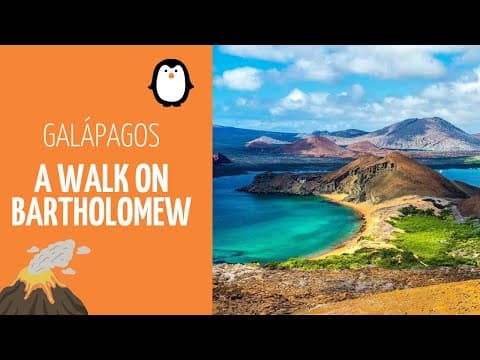
Bartholomew (known as Bartolomé locally) is the most popular excursion for Galápagos visitors, and its iconic scenery is the most photographed in the whole archipelago.
To start your walk on this island you will land in the small bay opposite the famous Pinnacle Rock. You then start the climb to the 375ft peak of Bartholomew. You’ll travel along a half mile trail that includes a series of wooden steps that have been built by the National Park Service to protect the ground here from erosion caused by tourists hiking to the summit.
When you arrive at the top of island the spectacular views will have made your efforts worthwhile. Your Galapatours expert guide will point out all the landmarks you will see from here - Pinnacle Rock itself, jutting skywards. The huge black lava flows of Sullivan Bay. The islands of Daphne Major and Daphne Minor.
On the way back down, you will be able to recognise the different volcanic formations evident on the island, such as tuff cones and volcanic spatter. You'll also see some remarkable examples of the Galápagos' ability to highlight the adaptation of species. For example the bushes that all look dead are actually very much alive, with leaves covered with special grey hairs that help to reflect the harsh sun and reduce moisture loss for the plants.
Back at the beach there is excellent snorkeling, thanks to the underwater caves and rocks in the area. You will see various sharks, rays and tropical fish. You may also see Galápagos Penguins swimming with you!
%3Aformat(webp)%2Fgal%2Fhighlight%2Fballena-bay.jpg&w=1920&q=75)
This is one of the quieter and least visited sites in the Galápagos. Ballena, or Whale, Bay has a beach with green sand, caused by the high percentage of olivine crystals present here. This is also one of the few visitor sites in the Galápagos which is more open, allowing visitors to wander somewhat freely and explore for themselves.
Behind the beach is a hill, and the climb from the inland side is easiest to enjoy fine views from the top. It is thought that Whale Bay is so-named because it was a popular point for the whaling vessels to weigh anchor while their crews headed inland from here in search of fresh water. It's thought that in the 1800s this beach was the head of the only trail into the highlands of Santa Cruz. The crews would return to the semi-circular beach with water and with their prize of giant tortoise, which were easy to catch and were a good source of meat to stock up with for their journey back to their home ports. In fact, the small group of tortoises that live near the beach have been found to be Pinzon tortoises, and their presence may be the result of escapees from the whalers' clutches scurrying away from the beach.
The beach is good for snorkeling, and if you keep your eyes skywards you may also spot Galápagos Hawks circling overhead.
%3Aformat(webp)%2Fgal%2Fhighlight%2Fbachas-beach.jpg&w=1920&q=75)
The name "Bachas Beach" (or "Las Bachas" in Spanish) actually comes from a mispronunciation! After the second world war, American forces stationed on Santa Cruz abandoned some of their barges there - "bachas" was the nearest some of the locals could get to pronouncing the English word, and the name has stuck. You can still see the remains of one of the floating docks the soldiers set up on one of the two beaches that make up Las Bachas Beach.
This beach is covered in white coral sand, and it's a major nesting site for Galápagos green turtles. There's also a lagoon just behind the sand which often hosts flamingos, ducks and migratory birds. You can also often find marine iguanas feeding on the rocky outcrops near the tide line.
The main beach is perfect for swimming, being very sheltered from the ocean swells, and is a very pleasant spot to cool off and to indulge in some snorkeling.
%3Aformat(webp)%2Fgal%2Fhighlight%2F20170227_Day_8_SAMBA_Floreana_Asilo_de_la_Paz_Cerro_Alieri_Devil_s_Crown_468_of_473.jpg&w=1920&q=75)
Your Galápagos adventure ends with the arrival of your ship back at Baltra Island. After what many guests describe as an emotional goodbye to your ship and its crew, you'll board the transfer vehicle that will take you on the short journey to the airport in plenty of time for your flight back to the mainland.
Note: If you want to spend some time in Galápagos after your cruise, please let us know. This is no problem at all and the transfer from Baltra to Puerto Ayora couldn't be easier.
Post-trip add-ons
%3Aformat(webp)%2Fhighlight%2Fe5f2aed5-bff7-4249-939c-b9b73c72cde2-2019-11-07-day-7-seaman-journey-santiago-sullivan-bay-and-bartholomew-394-of-497-.jpg&w=1920&q=75)
%3Aformat(webp)%2Fgal%2Fanimal%2F20170225_Day_5_Fernandina_Punta_Espinosa_Isabela_Urbina_Bay_343_of_473.jpg&w=1920&q=75)
%3Aformat(webp)%2Fgal%2Fanimal%2Fgalapagos-finches-3.jpg&w=1920&q=75)
%3Aformat(webp)%2Fgal%2Fanimal%2Fsea-lion-2.jpg&w=1920&q=75)
%3Aformat(webp)%2Fgal%2Fanimal%2F20170225_Day_5_Fernandina_Punta_Espinosa_Isabela_Urbina_Bay_280_of_473.jpg&w=1920&q=75)
%3Aformat(webp)%2Fgal%2Fanimal%2FDove_227_of_240_.jpg&w=1920&q=75)
%3Aformat(webp)%2Fgal%2Fanimal%2FBrown_Pelican_181_of_240__1.jpg&w=1920&q=75)
%3Aformat(webp)%2Fgal%2Fanimal%2FPetrel_30_of_240__1.jpg&w=1920&q=75)
%3Aformat(webp)%2F81940802-faec-488d-8840-a911b88ed081-logo_galapagos-white.png&w=1920&q=75)
%3Aformat(webp)%2Fgal%2Fanimal%2F20170222_Day_2_Genovesa_Darwin_Bay_Prince_Phillips_Steps_81_of_473.jpg&w=1920&q=75)
%3Aformat(webp)%2Fgal%2Fanimal%2Ffrigate-bird-2.jpg&w=1920&q=75)
%3Aformat(webp)%2Fgal%2Fanimal%2FLava_Lizard_192_of_240_.jpg&w=1920&q=75)
%3Aformat(webp)%2Fgal%2Fanimal%2Fbelted-kingfisher_1.jpg&w=1920&q=75)
%3Aformat(webp)%2Fgal%2Fanimal%2Fgalapagos-fur-seal-1.jpg&w=1920&q=75)
%3Aformat(webp)%2Fgal%2Fanimal%2F20170222_Day_2_Genovesa_Darwin_Bay_Prince_Phillips_Steps_85_of_473.jpg&w=1920&q=75)
%3Aformat(webp)%2Fgal%2Fanimal%2Fblue-footed-boobie.jpg&w=1920&q=75)
%3Aformat(webp)%2Fgal%2Fanimal%2FRed-lipped_batfish_31_of_240__1.jpg&w=1920&q=75)
%3Aformat(webp)%2Fgal%2Fanimal%2FRacer_128_of_240__1.jpg&w=1920&q=75)
%3Aformat(webp)%2Fgal%2Fanimal%2FShearwater_17_of_240_.jpg&w=1920&q=75)
%3Aformat(webp)%2Fgal%2Fanimal%2Fgalapagos-hawk-2_1.jpg&w=1920&q=75)
%3Aformat(webp)%2Fgal%2Fanimal%2FWaved_Albatross_3_of_5_.jpg&w=1920&q=75)
%3Aformat(webp)%2Fgal%2Fanimal%2FSky_76_of_82_.jpg&w=1920&q=75)
%3Aformat(webp)%2Fgal%2Fanimal%2FSea_Robin_165_of_240__1.jpg&w=1920&q=75)
%3Aformat(webp)%2Fgal%2Fanimal%2FLava_Heron_50_of_240_.jpg&w=1920&q=75)
%3Aformat(webp)%2Fgal%2Fanimal%2Fgreat_blue_heron_2_1.jpg&w=1920&q=75)
%3Aformat(webp)%2Fgal%2Fanimal%2FYellow-crowned_Night_Heron_Galapatours_6.jpg&w=1920&q=75)
%3Aformat(webp)%2Fgal%2Fanimal%2FPenguin_5_of_240__1.jpg&w=1920&q=75)
%3Aformat(webp)%2Fgal%2Fanimal%2Fspotted-eagle-ray_1.jpg&w=1920&q=75)
%3Aformat(webp)%2Fgal%2Fanimal%2F20150522_2808_Visiting_a_Ranch_with_Giant_Turtles_on_Santa_Cruz_Galapagos.jpg&w=1920&q=75)
%3Aformat(webp)%2Fgal%2Fanimal%2F20150524_2850_A_giant_Iguana_on_the_Galapagos_Islands_Ecuador.jpg&w=1920&q=75)
%3Aformat(webp)%2Fgal%2Fanimal%2FBarn_Owl_58_of_240__1.jpg&w=1920&q=75)
%3Aformat(webp)%2Fgal%2Fanimal%2Fvermillion-flycatcher_1.jpg&w=1920&q=75)
%3Aformat(webp)%2Fgal%2Fanimal%2FRed_Bat_214_of_240_.jpg&w=1920&q=75)
%3Aformat(webp)%2Fgal%2Fanimal%2FRail_225_of_240__1.jpg&w=1920&q=75)
%3Aformat(webp)%2Fgal%2Fanimal%2Fshort_eared_owl_galapatours.jpg&w=1920&q=75)
%3Aformat(webp)%2Fgal%2Fanimal%2FSky_54_of_82_.jpg&w=1920&q=75)
%3Aformat(webp)%2Fgal%2Fanimal%2FSwallow-tailed_Gull_9_of_240_.jpg&w=1920&q=75)
%3Aformat(webp)%2Fgal%2Fanimal%2FRed-billed_Tropicbird_137_of_240__1.jpg&w=1920&q=75)
%3Aformat(webp)%2Fgal%2Fanimal%2FFlamingo_89_of_240_.jpg&w=1920&q=75)
%3Aformat(webp)%2Fprovider%2Fbf849aa1-557a-4b85-bb3a-6e2ac1ff3c18-panoramic-4---monserrat-galapagos-cruise.png&w=1920&q=75)