Mosquera Diving Point

Mosquera Diving Point

An easy yet spectacular dive point

Information about Mosquera Diving Point

Biodiversity

Panorama

Beaches

Snorkeling

Accesibility

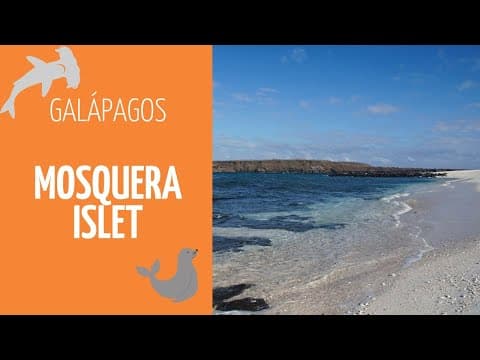
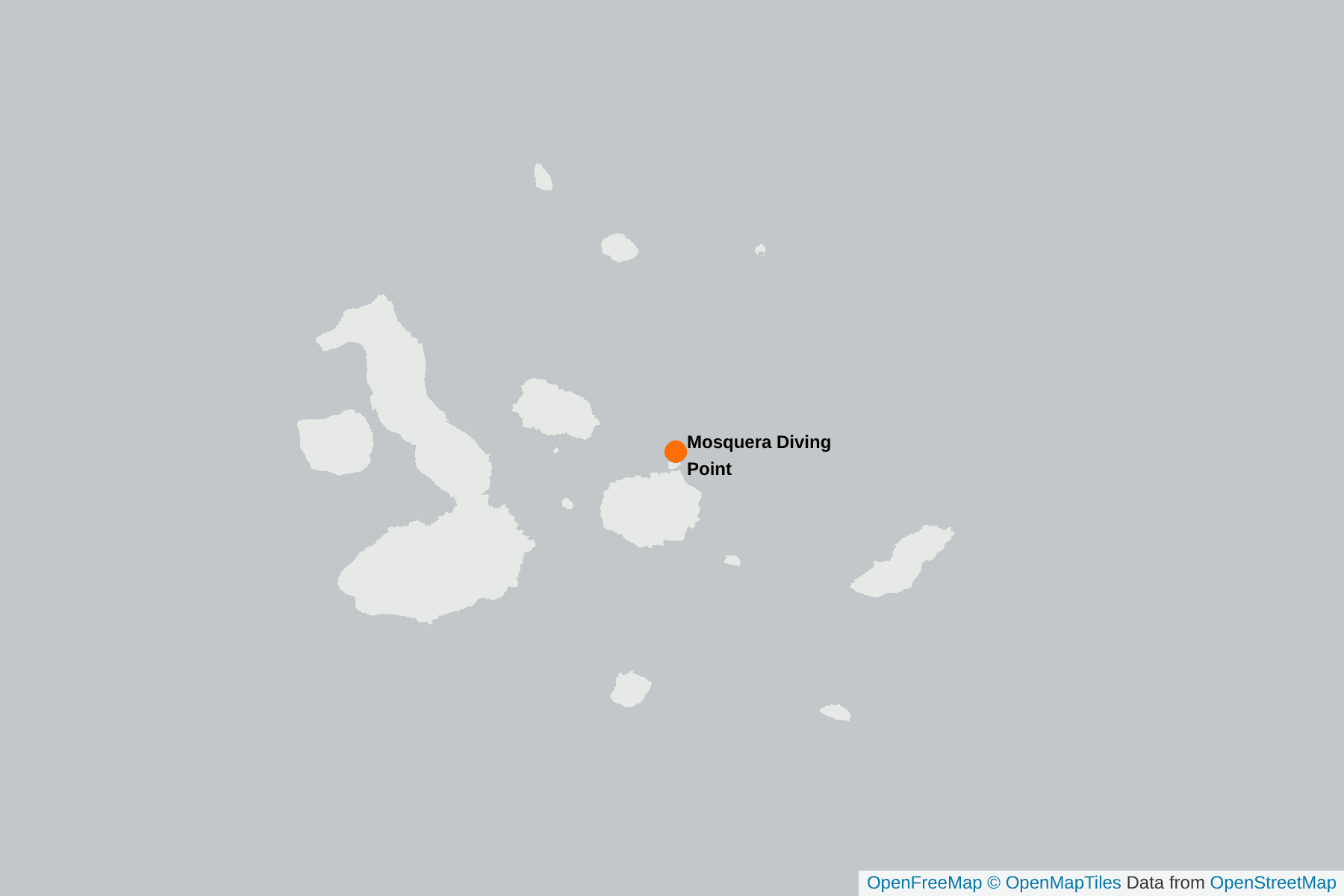
Mosquera, like may similar islets in the Galápagos, was formed by a volcanic uprising. The islet Mosquera that emerges from the sea between Seymour and Baltra island. A sandy bottom at 15-18 meters is scattered with curious garden eels and pelagic species as well as an underwater wall flowing downwards from the shallows into the deep. Keep an eye out for hammer head sharks and the garden eels that pop their heads out of the ground and disappear down their burrow as you approach! Also found in the area are black tip and white tip reef sharks, sea lions, turtles, barracudas, sting rays, eagle rays, mobula rays, Galápagos eels and a variety of reef fish and invertebrates.

Mosquera is home to one of the largest populations of Galápagos Sea Lions on the archipelago, and you will be able to watch their playful antics and admire their sense of relaxation as they sunbathe on the beach. There have been occasional sightings of Orca (Killer Whales) in the waters off Mosquera Island, probably attracted by the large number of Galápagos Sea Lions on which they prey.

Over the centuries it also attracted corals, and along with the rocks that form the islet this helped to capture the sand from the currents that flow between Baltra Island and North Seymour Island.

Mosquera Islet has a depth range between 6 – 27 meters (20 – 90 feet). Visibility averages 12 – 15 meters (40 – 50 feet). Surge and current is usually moderate to strong.

Interesting facts about Mosquera Diving Point

  • Watch our for hammerhead sharks
  • Curious garden eels

Pictures of Mosquera Diving Point

Galapagos diving
+5
Galaxy Diver Galápagos Cruise

Possible Activities in Mosquera Diving Point

scuba diving

Diving

snorkeling

Snorkeling

Highlights Close to Mosquera Diving Point

Arrival at Baltra airport + transfer to ship
Arrival at Baltra airport+transfer to ship

Welcome to Galápagos! After your flight lands, and you have completed the immigration process, our English-speaking guide will meet you in the Arrivals lounge if you booked your flight tickets with us for the same cruise dates. The guide will then escort you to your transfer vehicle for a short journey to your waiting ship.

If you did not book your flight tickets with us, your voucher will specify the meeting point & time. Please note that the transfer to the meeting point is not included.

Baltra Island, where your arrival airport is, was used as an important Air Force base in the Second World War. This is the primary airport for the Galápagos Islands and you'll be rubbing shoulders with fellow tourists, international naturalists and conservationists, researchers and academics, and Galápagos residents alike. The airport has been built as a "green" airport, and as well as using recycled materials in its construction, it's special design keeps the buildings relatively cool without the need for any air conditioning.

Once on board your ship, you will be introduced to the crew and given a welcome briefing as well as an important safety drill. After this you'll be shown to your cabin. While you're served a well-deserved and delicious lunch, the captain will cast off and your adventure truly starts.

Note: If you plan to spend a few days prior to the cruise in Puerto Ayora and want to do the cruise later this is no problem at all. The transfer from Puerto Ayora to Baltra is very easy.

Daphne Major
Daphne Major

Daphne Major (or Mayor) is a barren, tree-less island that is the remains of an extinct tuff cone whose rim rises some 400ft above sea level.

A trip around this island by boat offers the opportunity for some excellent snorkeling as well as observing the many seabirds that hunt in the area.

While snorkeling near Daphne Major you will be able to see many species of tropical fish, as well as rays, green turtles, shark species and more.

Daphne Minor
Daphne Minor

Like her big sister Daphne Major, Daphne Minor is a barren, treeless extinct remains of a tuff cone. There are no visitor sites on Daphne Minor, but a panga ride along her shores will give the opportunity for some snorkeling.

Here is where Daphne Minor shows her true colors - literally. An unusually large amount of smaller underwater organisms live on the rocky undersea walls of the island, creating a real multi-colored environment amongst the black and grey rocks.

Other creatures often seen here include seahorses, Galápagos sharks, rays and green turtles.

Flight to Baltra EQ193

Your adventure begins with an early morning flight to Galápagos from Quito or Guayaquil on the Ecuadorian mainland.

Please check whether flights are included in the price of your chosen cruise itinerary. If not, ask your Galapatours adviser for a quote - we work with all the airlines who fly to the islands, and we also offer complimentary transfers to and from airport and vessel when you book through us. An added advantage is that we can make sure all clients for the same cruise are on the same flights. This means you will spend less time waiting at the airport for other arrivals.

Baggage Allowance: 23kg (50lb), more info

Flight time: Around 4 hours total. There is a short stopover in Guayaquil on the way from Quito.

Departure and Arrival times: Subject to change, please check in advance.

Entry requirements to Galápagos: Please carefully read this article on the entry requirements to the Galápagos Islands.

Hotel Night in Puerto Ayora

This cruise itinerary includes one night in a hotel in Puerto Ayora. Please inquire with us for details about the Hote, as this might change, depending on the occupation of the hotel.

Mosquera Islet
Mosquera Islet

Mosquera Islet, like may similar islets in the Galápagos, was formed by a volcanic uprising. Over the centuries it also attracted corals, and along with the rocks that form the islet this helped to capture the sand from the currents that flow between Baltra Island and North Seymour Island.

Mosquera is home to one of the largest populations of Galápagos Sea Lions on the archipelago, and you will be able to watch their playful antics and admire their sense of relaxation as they sunbathe on the beach.

There have been occasional sightings of Orca (Killer Whales) in the waters off Mosquera Island, probably attracted by the large number of Galápagos Sea Lions on which they prey.

Transfer from ship to Baltra airport (organized)
Transfer to Baltra airport

Your Galápagos adventure ends with the arrival of your ship back at Baltra Island. After what many guests describe as an emotional goodbye to your ship and its crew, you'll board the transfer vehicle that will take you on the short journey to the airport in plenty of time for your flight back to the mainland.

Note: If you want to spend some time in Galápagos after your cruise, please let us know. This is no problem at all and the transfer from Baltra to Puerto Ayora couldn't be easier.

Animals in Mosquera Diving Point

Please be aware that wildlife sightings are never guaranteed and depend on seasons, weather, and other factors.
Galapatours

Galapagos Penguin

Galapatours

Galapagos Green Turtle

Galapatours

Galapagos Sharks

Galapatours

Mobula Rays

Galapatours

Galapagos Sting Rays

Our trips to Mosquera Diving Point